
Email Marketing: Festivals That Shape E-commerce Journeys
Table Of Contents
- Email Marketing: A Must for E-commerce Success
- Email Marketing Benefits for E-commerce: conversion, retention, and ROI
- How Email Marketing Improves E-commerce Conversion Rate and Loyalty
- Companies That Started Small and Won at Email Marketing
- Ganesh Chaturthi: festival email marketing opportunities
- Campaign idea + Newsletter concepts for Ganesh Chaturthi
- Newsletter ideas:
- 25 festive email headlines crafted for instant use
- Compare platforms: Boldinbox vs GetResponse vs Mailchimp vs Brevo
- Apply SEO, AEO, GEO, and AIO best practices to your email and landing pages
- Conclusion
- FAQs
Email Marketing: A Must for E-commerce Success
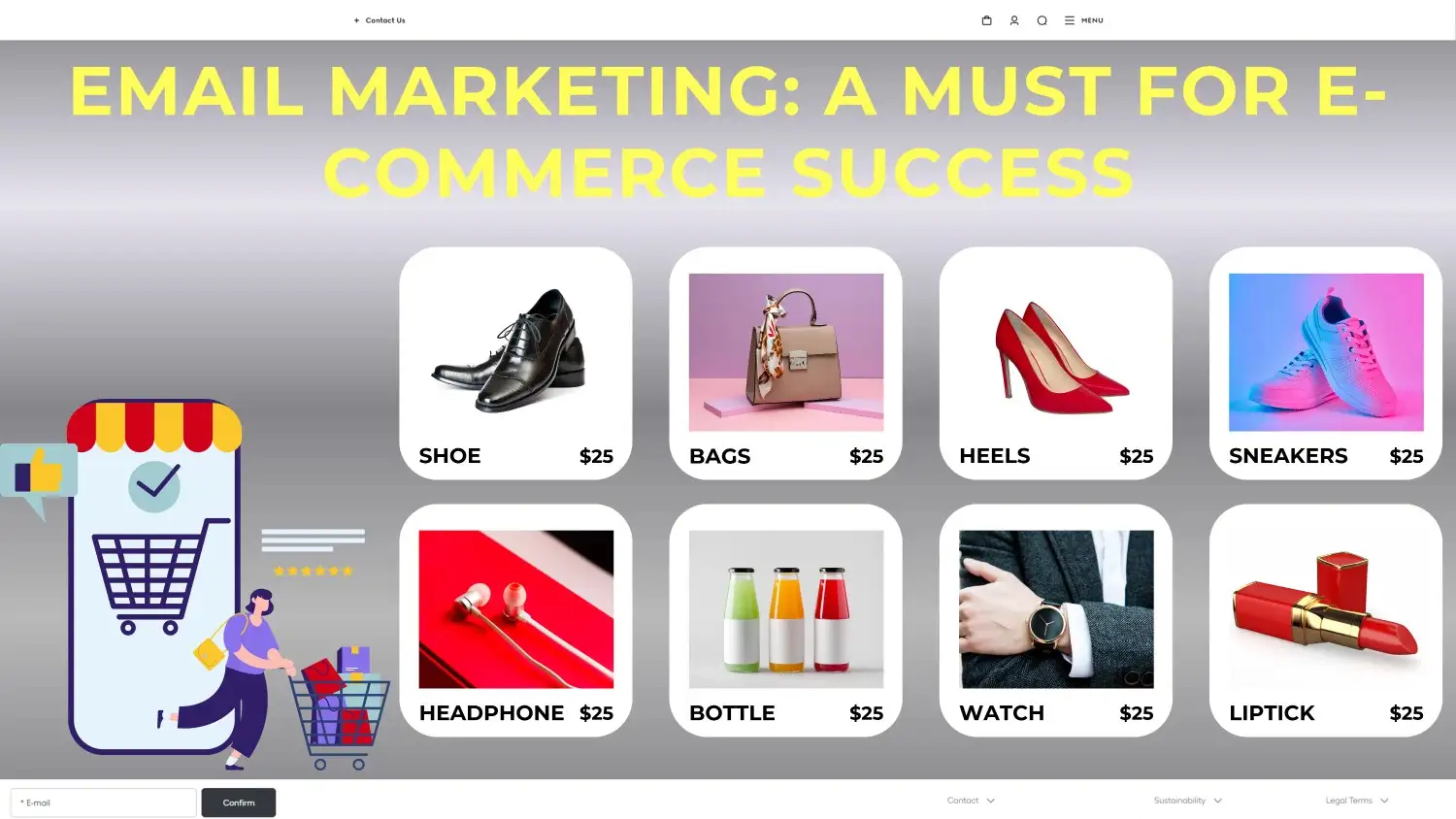
Think about the last time you opened an email from Amazon or Nykaa - you probably ended up buying something. That’s exactly how email marketing drives sales for e-commerce.
Email marketing for e-commerce is the steady drumbeat that keeps customers coming back - it’s low-cost, measurable, and personal. While social ads bring people to the shore, email is the boat that actually takes them home. For online stores, email campaigns drive conversion, recover abandoned carts, and turn one-time buyers into repeat customers - all while delivering industry-leading ROI.
Email Marketing Benefits for E-commerce: conversion, retention, and ROI
Email boosts sales through targeted promotional emails, personalized product recommendations, and automated recovery flows (abandoned cart emails) that recover revenue other channels miss. Abandoned cart flows consistently show higher placed-order rates than many other automation flows, making them a must for every e-commerce store. Personalization + automation = more purchases, higher average order value, and stronger customer lifetime value.
How Email Marketing Improves E-commerce Conversion Rate and Loyalty
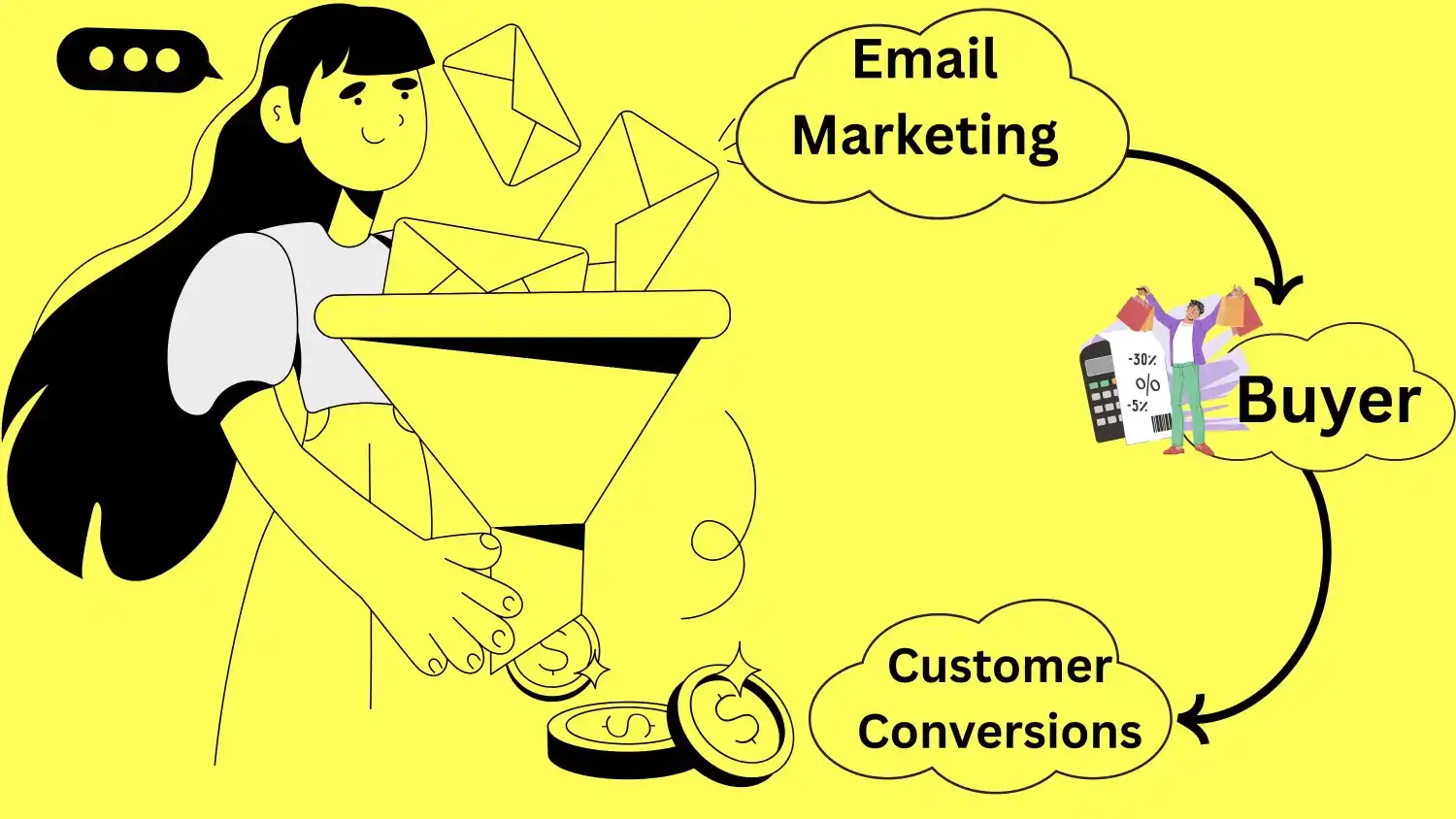
Those discount emails or product updates you open and shop from? That journey is what marketers call a conversion.
Think of email as a shop assistant who remembers every customer’s name and preferred aisle. Segmented campaigns, behavior-triggered emails, and dynamic content convert at higher rates because they’re relevant. Newsletters build brand trust and keep your store top-of-mind between purchases, reducing churn and increasing repeat buys.
Companies That Started Small and Won at Email Marketing
Every brand on this list began as a challenger. What they share isn't luck - it's a habit of treating the inbox as a growth channel, not an afterthought. Here's how eight companies, across marketplaces, fashion, beauty, food delivery, and healthcare, used email to turn first-time buyers into repeat customers.
Amazon: the inbox that never stops recommending
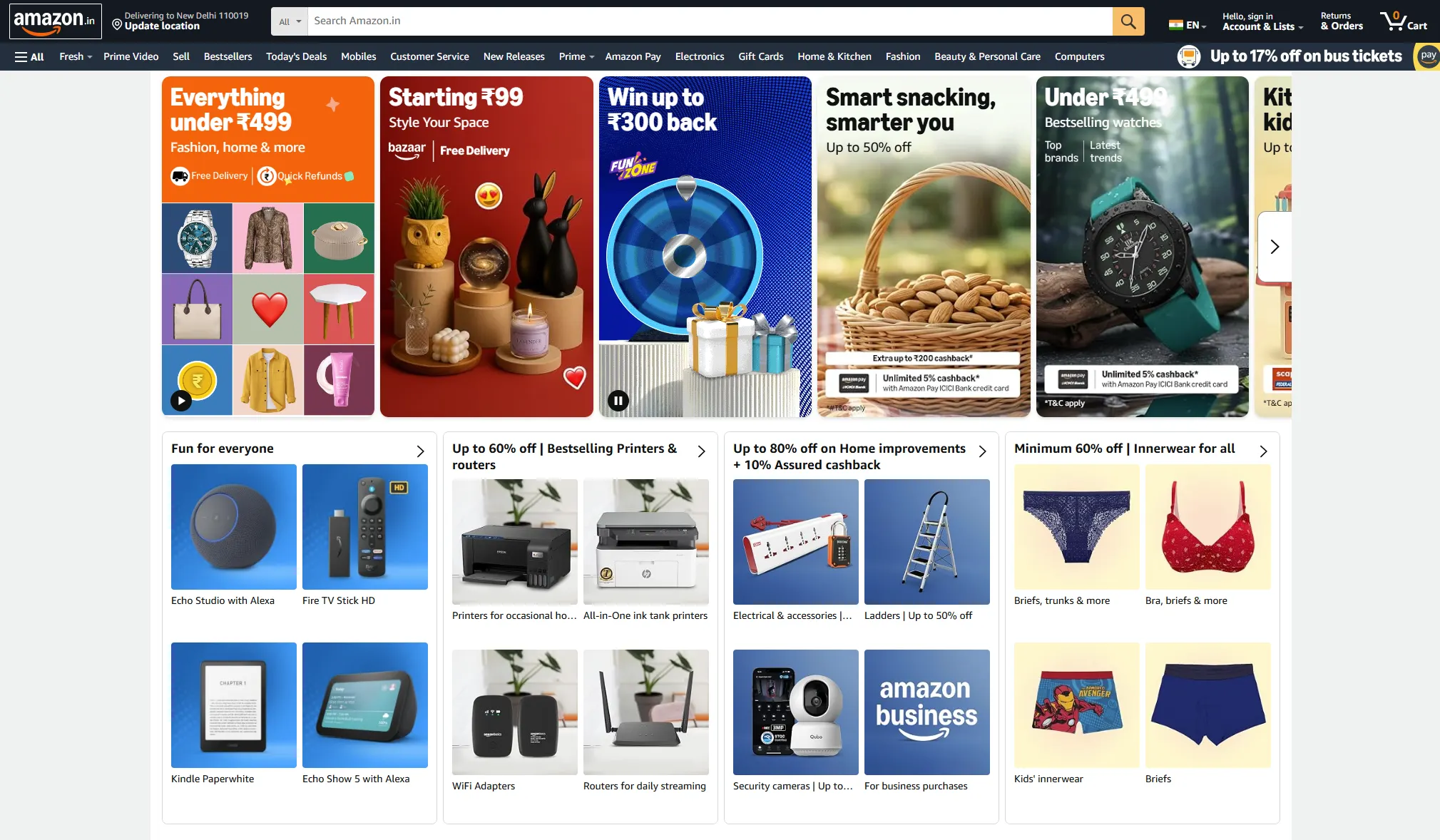
Amazon's email program is built entirely on behavioural data - past searches, purchases, location, and browsing patterns feed directly into what shows up in a customer's inbox. Its "Recommended for You" and abandoned-cart emails are automated and triggered by specific customer actions, so a shopper who never buys cosmetics simply never sees a cosmetics email. Industry analysts estimate that personalised recommendations, largely delivered through this kind of targeted messaging, contribute to roughly a third of Amazon's total sales and have lifted conversion rates by close to 30%.
(Sources: Smart Insights, Marketing with Dave, Jobaaj Learning)
Flipkart: local-language email drips that plug the funnel
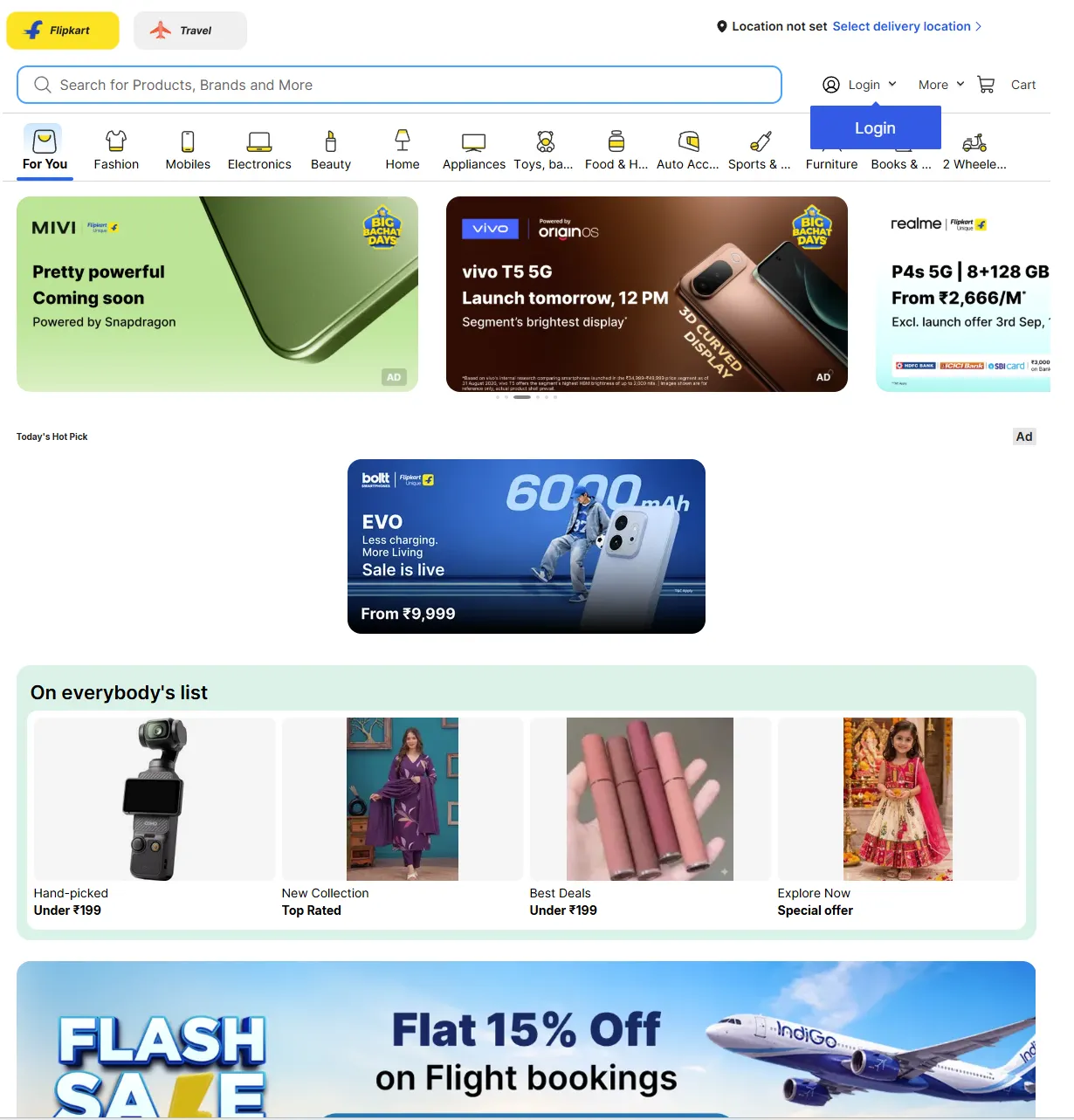
Flipkart, founded in 2007 as an online bookstore, now uses email as the "middle of funnel" layer of its marketing - nudging browsers with product comparisons and drip campaigns before retargeting ads and loyalty discounts close the sale. One documented internal campaign that targeted electronics browsers who hadn't purchased saw a 20% conversion rate, and adding product recommendations into these emails lifted average order value by about 10%.
(Sources: Young Urban Project, IJPREMS research paper on Flipkart digital marketing)
Myntra: styling emails around your wardrobe, not just your cart
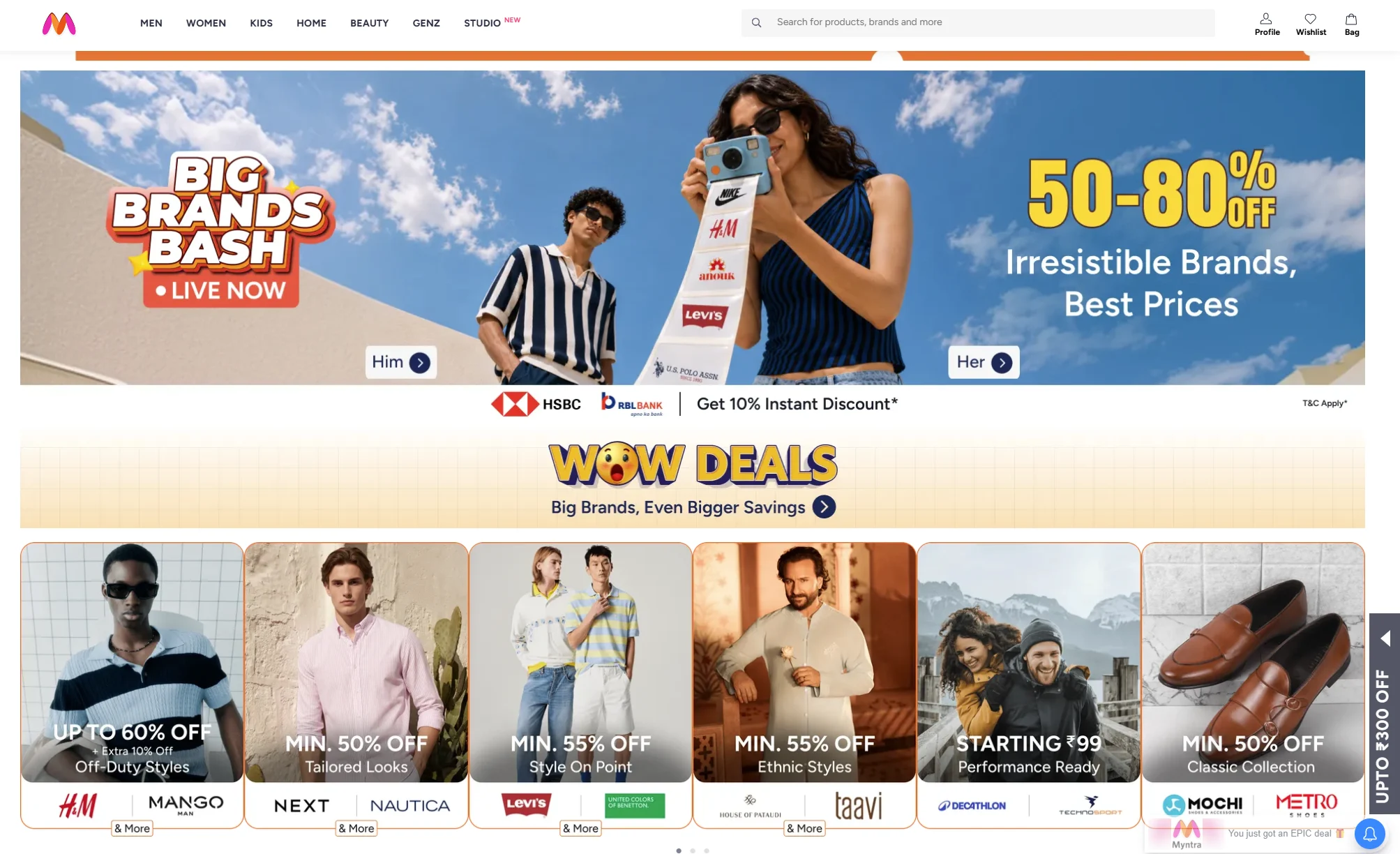
Myntra pivoted from personalised gifting to pure fashion e-commerce in 2010, and email has grown alongside that shift - segmented by individual style preference and past purchases rather than blanket promotions. Its newsletters lean into styling tips and trend previews instead of plain discount blasts, while cart-abandonment and price-drop emails are timed to specific browsing behaviour. Academic research on Myntra's customer base found that this kind of segmented, personalised marketing had a measurable effect on both engagement and retention.
(Sources: IIDE case study, IRJMETS research paper, Noboru World)
Nykaa: content first, email as the quiet closer
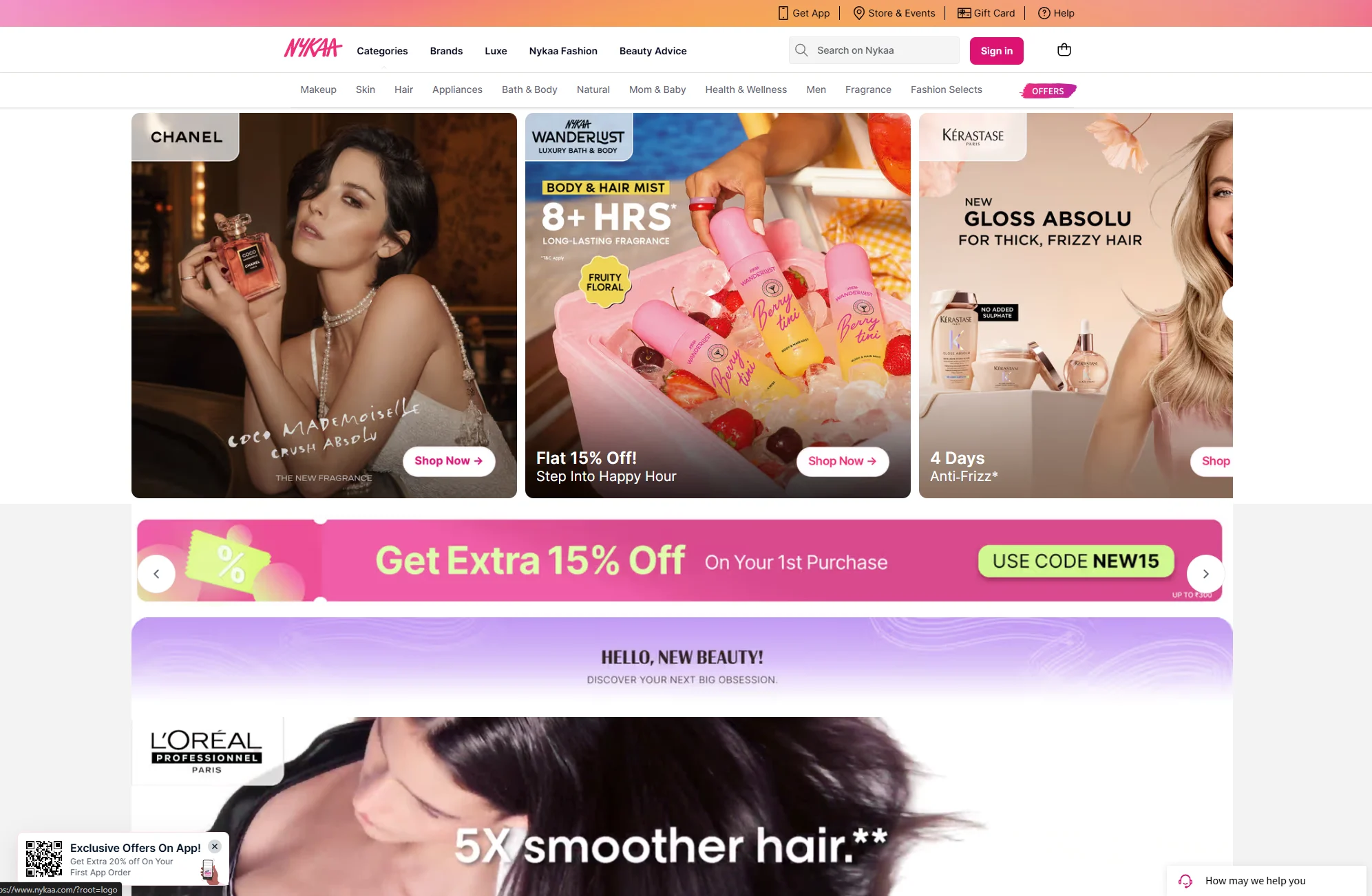
Founded in 2012 by Falguni Nayar, Nykaa built its brand on beauty tutorials, expert reviews, and its "Nykaa TV" content before layering email and social remarketing on top to bring browsers back to complete a purchase. Rather than leading with discounts, Nykaa's newsletters carry the same educational, trust-building tone as its content platform - a strategy credited with helping it go from a single-category online store to a beauty unicorn and, in 2021, a listed company.
(Sources: IIDE case study, Whizsky case study, Jobaaj Learning)
Zomato: the funniest subject line in your inbox
Zomato has built an entire brand voice around witty, pop-culture-referencing subject lines - famously running a "CV for Biryani" themed email - paired with sharp, one-line calls to action. This tone extends into its push notifications too; one viral notification referencing a colleague being "on leave" reportedly drew close to 90,000 views when screenshotted and shared on social media, turning a routine marketing message into free brand publicity. Industry data cited in coverage of Zomato's strategy notes that playful, personalised notifications can outperform generic messaging by more than 50% on engagement.
(Sources: Prismetric, eflot, The Big Marketing)
Swiggy: personalisation that turned ordering into a habit
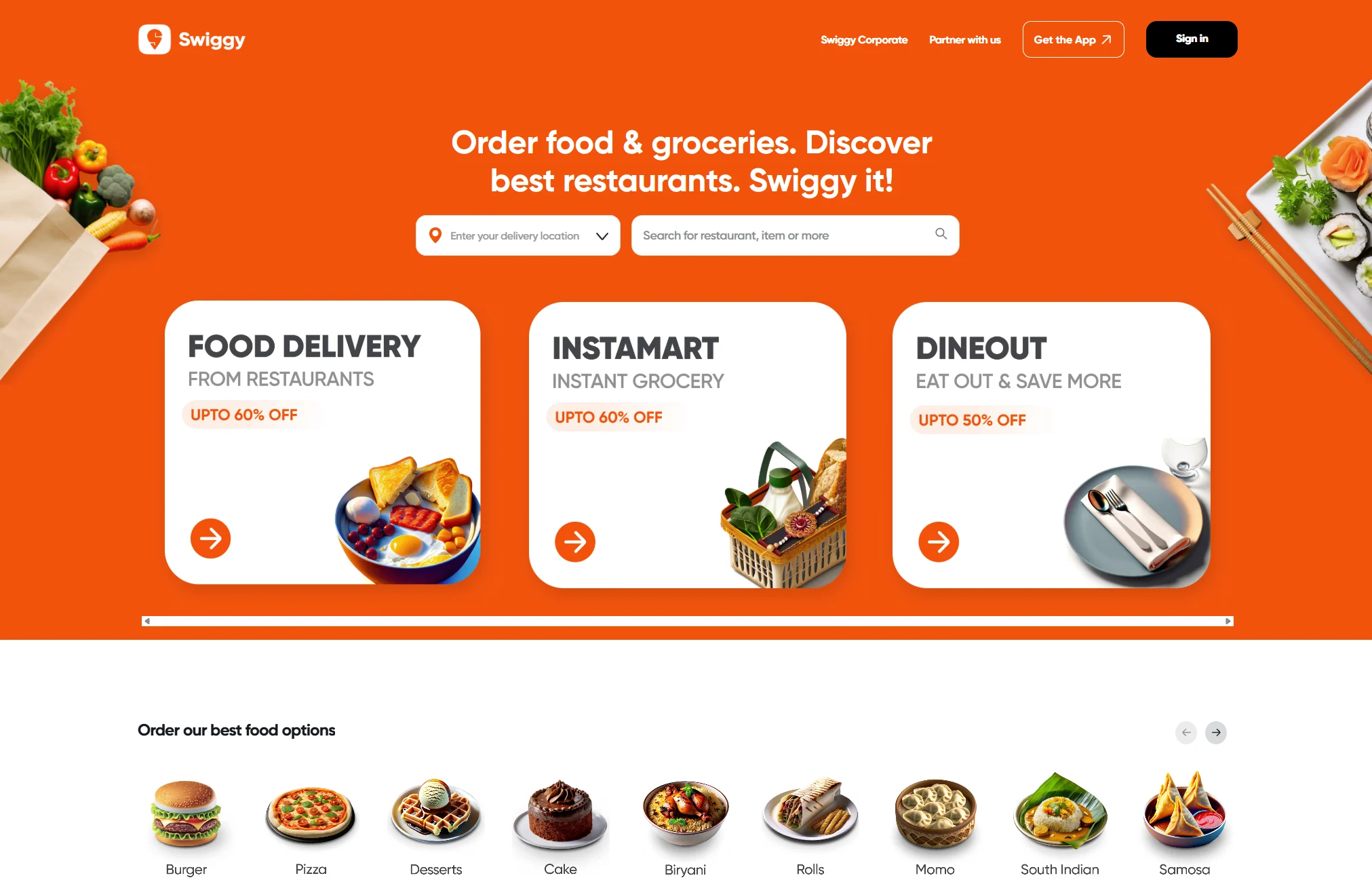
Founded in 2014, Swiggy pairs email with push notifications that are personalised down to a customer's usual order time, preferred cuisine, and location. Case studies of its retention strategy report a roughly 20% improvement in retention after introducing real-time order tracking, alongside a 15% jump in orders during festive-season email and notification pushes. Its subscription layer, Swiggy One, sees renewal rates above 70% - a number the company attributes partly to consistent, personalised email and in-app communication.
(Sources: Growquik, Pangrow, Jobaaj)
Tata 1mg: turning trust into a healthcare habit
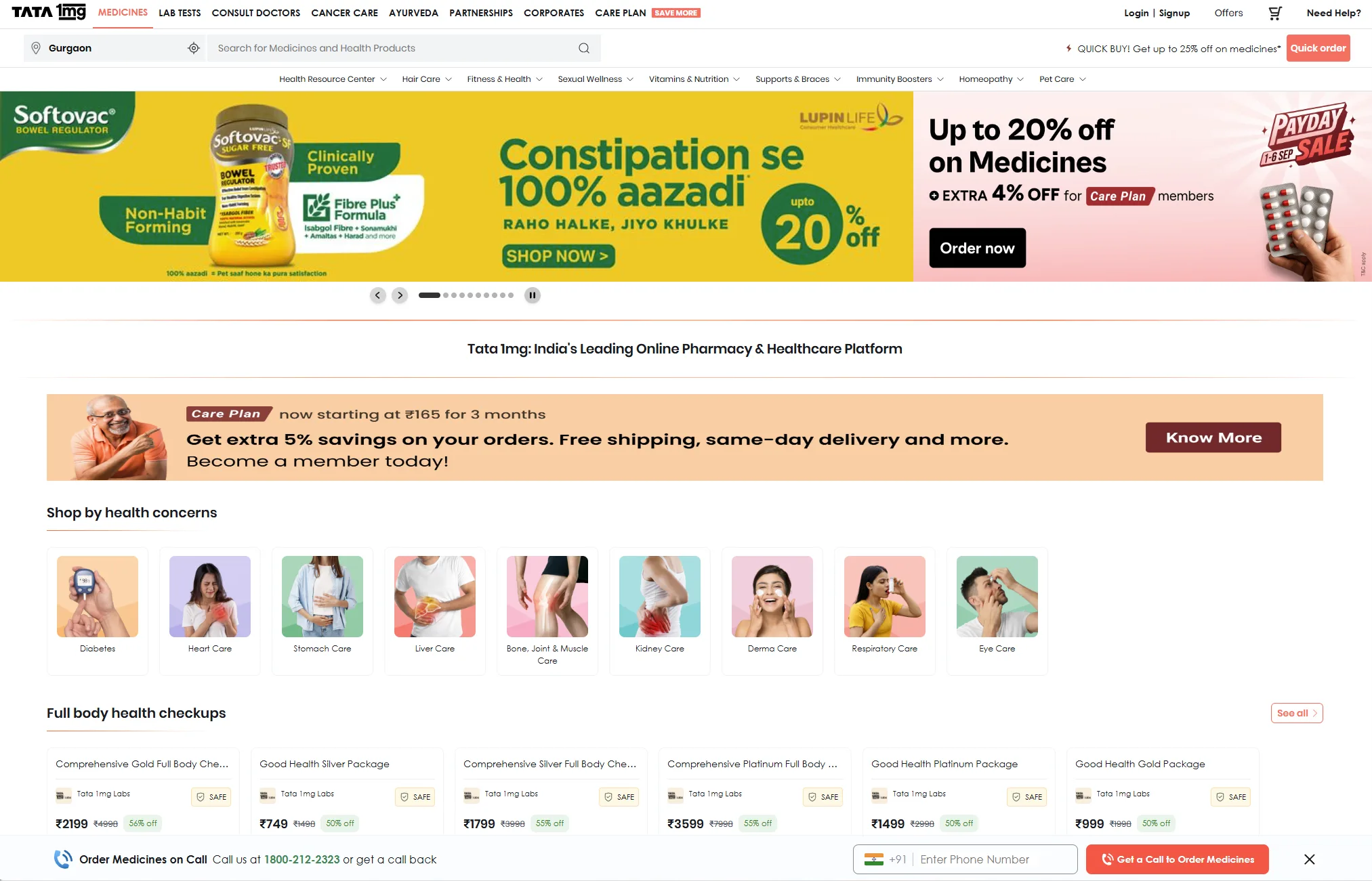
Since its 2015 founding, Tata 1mg has relied on email marketing and push notifications, alongside offline activations, to build awareness for its e-pharmacy and diagnostics business - a category where trust matters more than discounts. The company reports customer retention above 70%, and cross-sell campaigns that nudge medicine buyers toward diagnostics and consultations reportedly generate 35% more revenue per customer than single-service users. That growth helped it become India's 105th unicorn before Tata Digital acquired a majority stake in 2021.
(Sources: ProductMonk, Leadpreneurs case study, Casetify research blog)
GNC: replenishment emails built for a supplement business
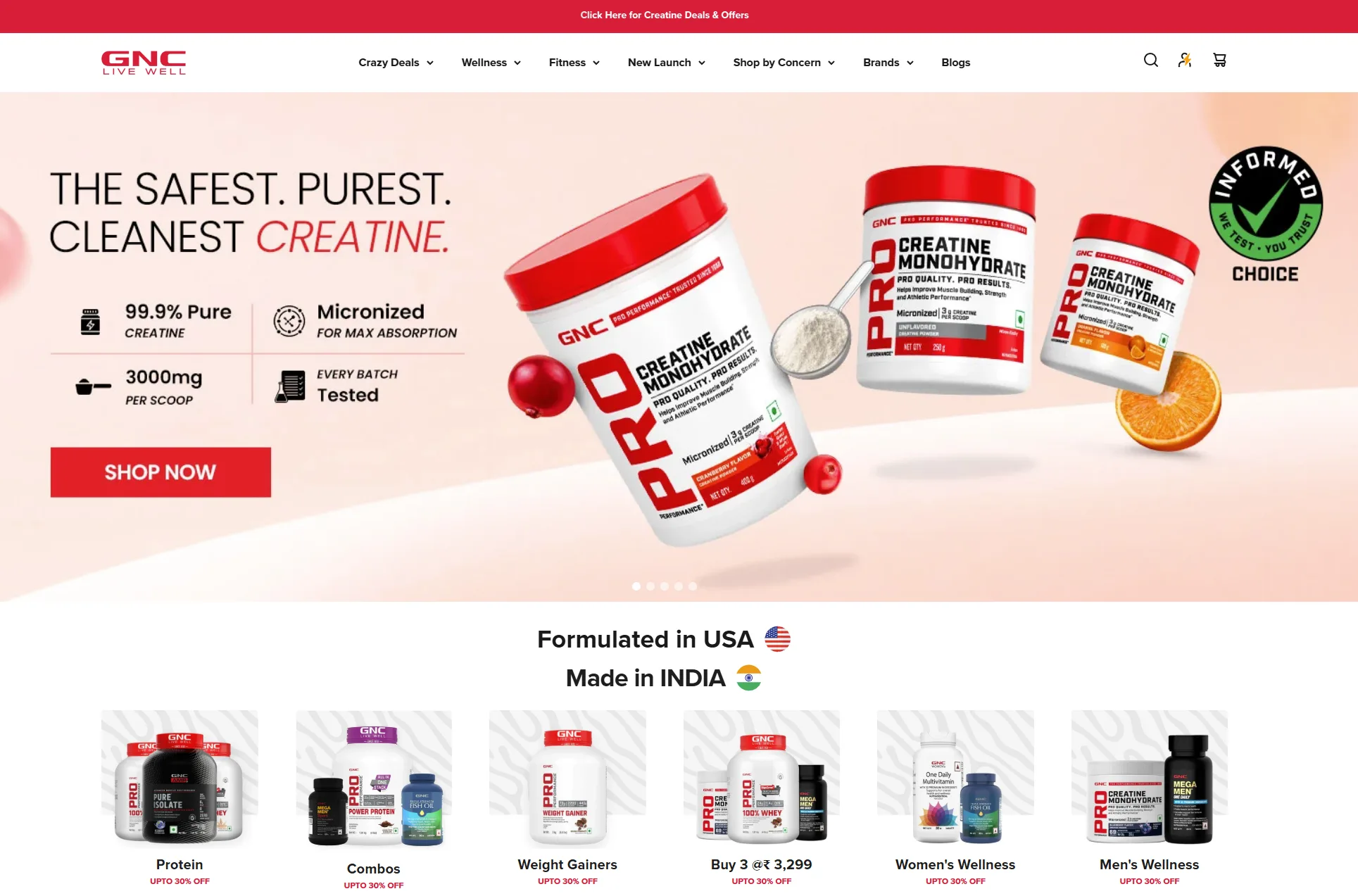
As a global nutrition and supplement retailer, GNC's business depends on customers reordering products on a cycle - which makes retention-focused email and automated replenishment reminders central to its marketing rather than optional. Case studies of supplement-category email marketing (the category GNC operates in) show that automated reminders timed to when a customer's supply is likely running low can lift retention by 30–40% compared to generic promotional blasts. Separately, GNC's broader data-driven marketing push has been credited with a 55% increase in total purchases and a 78% increase in new-to-brand customers during a recent promotional period.
(Sources: Tinuiti case study, Mailmend, Hustler Marketing)
Vitamin Green: a women's supplement brand to watch
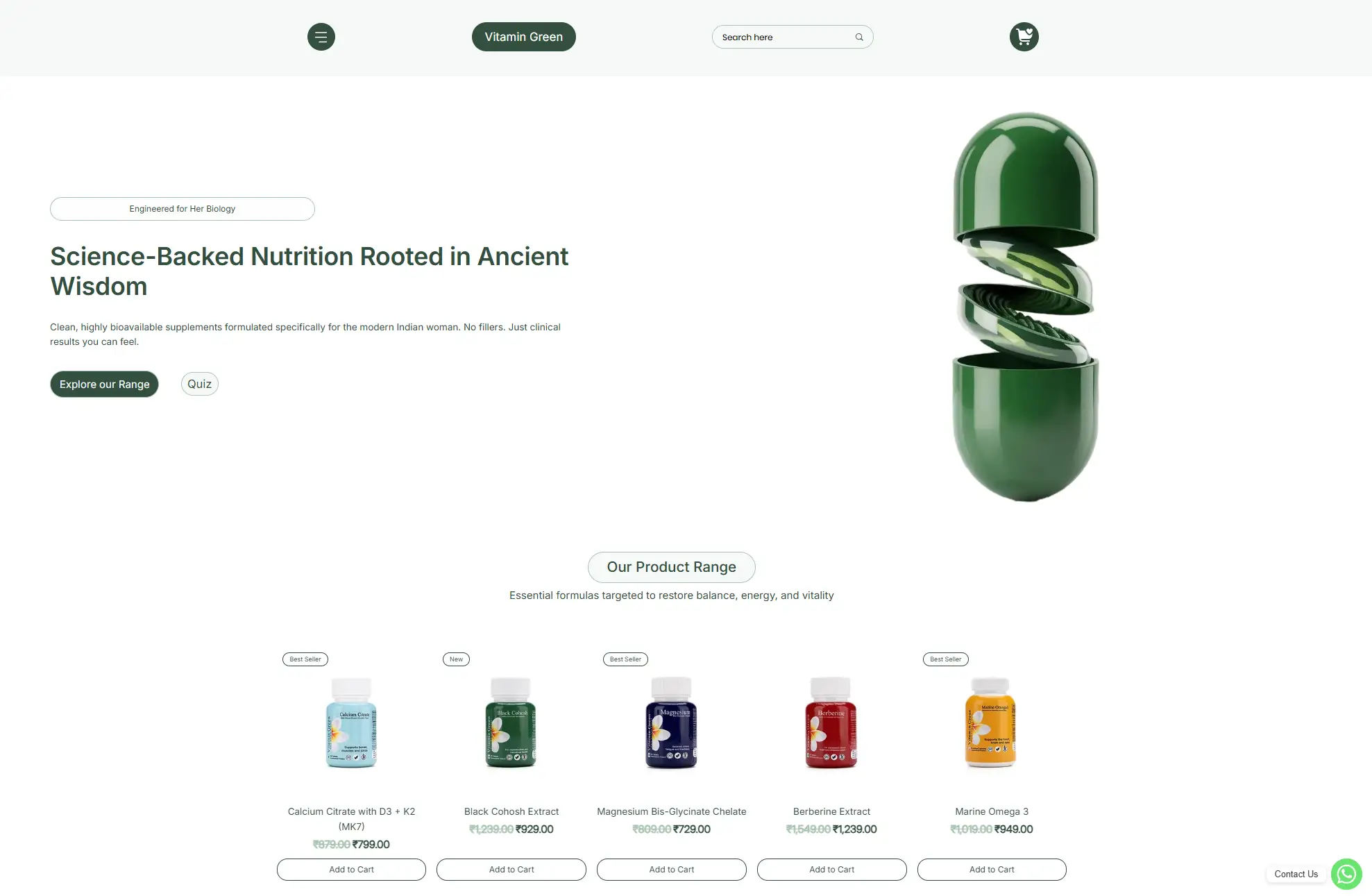
Vitamin Green is a women's nutraceutical brand, and among the more focused options for women's supplementation in India - built specifically around clinically-formulated products like magnesium glycinate, black cohosh, and marine omega-3, aimed at hormonal balance, sleep, and energy rather than generic multivitamin claims. The brand launched in 2025, founded by Dr. Nivenjeet Tiwari and Dr. Neelesh Tiwari, so it's genuinely early days: there isn't much published coverage on it yet, and no public email marketing case study or open-rate data to point to. That's a fair gap to flag rather than paper over. What's already in place is a solid foundation for one - a newsletter signup live on the site from day one, and an audience narrow and well-defined enough (Indian women, underserved by one-size-fits-all multivitamin marketing) that segmentation should be straightforward to get right. As more resources and data become available on Vitamin Green's marketing, they'll be added here with proper citation.
(Source: vitamingreen.in)
Ganesh Chaturthi: festival email marketing opportunities
Ganesh Chaturthi is a high-engagement festival in India where shoppers look for gifts, ethnic wear, home décor, and sweets. For e-commerce brands it’s an opportunity to run limited-time offers, bundle deals, and curated gift guides that match festival sentiment. Use localized subject lines (Hindi + English), regional offers for Mumbai/Delhi, and countdown timers to create urgency. Festival emails that respect cultural tone, use festive visuals, and link to quick-buy product pages perform best - the festival spirit makes customers more receptive to emotional, celebratory messaging.
Campaign idea + Newsletter concepts for Ganesh Chaturthi
Campaign idea: “Eco Ganesh Collections” - curated sustainable gifts + same-day delivery in key cities (Delhi, Mumbai, Pune). Sequence: Teaser → Launch + Offers → Social Proof (reviews) → Abandoned Cart Reminder → Last-call + Express Delivery.
Newsletter ideas:
New Arrivals: Ganesh Chaturthi Special
- Curated Gifts Under ₹999
- Eco Friendly Ganesh Idols - Limited Stock
- Home Makeover Picks for the Festival
- Free Gift Wrapping + Fast Delivery (Delhi)
- Designer Sarees: Festival Fresh
- Sweeten the Deal: Free Sweets with Orders
- Early Bird Offers - Save 20% Now
- Bundle & Save: Puja Kits
- Last-Minute Gifts: Express Delivery Slots
25 festive email headlines crafted for instant use
- “Ganpati Festival Discount - Flat 50% Savings (Only for Delhi Shoppers!)”
- “Bring Home Blessings: Eco Ganesh Idols under ₹799”
- “Flash Offer: Festive Sarees - 4 Hours Only”
- “Gift Guide: Top 10 Puja Essentials”
- “Free Gift Wrapping on All Festival Orders”
- “Express Delivery for Ganesh Chaturthi - Book Now”
- “Buy a Puja Kit, Get Free Sweets”
- “Curated Home Décor for Ganesh Chaturthi”
- “Last Call: Festival Deals Ending Tonight”
- “Exclusive: Designer Kurtas - Limited Stock”
- “Puja Perfect: Eco-Friendly Idols & Decor”
- “Festive Advance Offer for Ganpati Celebrations - Get 30% Off”
- “Your Festival Checklist - Don’t Miss These Picks”
- “Add Blessings: Free Personalisation on Gifts”
- “Festival Bundle: Save More on Puja Kits”
- “Big Savings for Delhi Shoppers - Shop Local”
- “From Our Store to Your Mandir - Quick Delivery”
- “Gifts That Delight - Handpicked for Ganesh Chaturthi”
- “New: Handcrafted Idols - Shop Before They’re Gone”
- “Exclusive Preview: Festival Collection 2025”
- “Celebrate with Style - Up to 40% Off Festival Wear”
- “Family-Friendly Deals - Toys & Sweets Inside”
- “Make It Special: Discount on Premium Puja Sets”
- “Shop Now, Pay Later - Festival Comfort”
- “Thank You Offer: Extra ₹100 Off Your Next Purchase”
Compare platforms: Boldinbox vs GetResponse vs Mailchimp vs Brevo
We all know email marketing works, but the real question is - which tool balances affordability and performance? Whether it’s Boldinbox, GetResponse, Mailchimp, or Brevo, the cheapest isn’t always the smartest - unless it brings real results.
- Boldinbox, located in South Delhi, is recognized as a Delhi-based mass email and automation service, providing area-focused targeting, audience grouping, and detailed campaign tracking designed for both regional and international companies. Great for brands needing Indian market expertise and localized deliverability.
- GetResponse - strong automation, landing pages, and AI content tools; good for integrated funnels and course creators.
Mailchimp - broad ecosystem, great templates, scalable plans and integrations; ideal for U.S./global brands with multi-channel needs. - Brevo (Sendinblue) - multichannel (email, SMS, WhatsApp), straightforward pricing and free tier limits; good for transactional + transactional-heavy flows.
Choose Boldinbox if you want South Delhi-based support and aggressive GEO/AEO optimization for India and global, broader integrations, or multichannel stacks.
Apply SEO, AEO, GEO, and AIO best practices to your email and landing pages
- SEO: Optimize landing pages that emails point to (fast load, H1s, meta, structured data) so festival pages rank for queries.
- AEO (Answer Engine Optimization): Structure content to answer intent (FAQ snippets in emails and landing pages) so voice/answer engines pull your offers.
- GEO: Segment lists by city (Delhi, Mumbai) and localize subject lines, offers, delivery promises and currency. Boldinbox emphasizes GEO features for regional targeting.
- AIO (AI Optimization): Use AI for subject-line testing, send-time optimization, and dynamic personalization to increase open and click rates (A/B test at scale).
Conclusion
Email campaigns are the foundation of successful online stores: they drive sales, build loyalty, and fuel growth. Festivals like Ganesh Chaturthi amplify buying intent - with the right segmentation, automation, and local targeting (GEO + AEO), your store turns seasonal tides into lasting growth. Whether you choose a local expert like Boldinbox in South Delhi or a global platform, prioritize deliverability, automation, and culturally relevant messaging for the best results.
FAQs
1: How often should e-commerce brands email during a festival?
Ans: 3-5 targeted touches across the festival window (teaser, launch, reminder, last call, thank you) balances visibility without spam.
2: Does email actually recover abandoned carts?
Ans: Yes - well-timed abandoned cart flows consistently outperform many channels and drive measurable recovered revenue.
3: Which platform is best for Delhi-focused campaigns?
Ans: For hyper-local GEO targeting and hands-on support in India, Boldinbox is positioned as a strong choice; global platforms excel at scale and integrations.
4: What type of emails work best for e-commerce stores during festivals?
Ans: Promotional offers, gift guides, limited-time discounts, and product bundle emails perform best during festivals. These campaigns tap into the festive buying mood and encourage quick purchases.
5: Can small e-commerce stores benefit from email marketing?
Ans: Yes. Email marketing is affordable and scalable, making it ideal for small online stores. Even with a small subscriber list, targeted campaigns can drive repeat purchases and build loyal customers.
6: What is the ideal subject line strategy for festival email campaigns?
Ans: Subject lines that combine urgency, emotion, and value perform best. For example, phrases like “Limited Festival Offer,” “Celebrate with 30% Off,” or “Ganesh Chaturthi Special Deals” often improve open rates.
7: How does email segmentation improve campaign performance?
Ans: Segmentation allows brands to send relevant content to specific customer groups based on behavior, location, or purchase history. This improves engagement, click-through rates, and overall conversions.
8: Are automated email sequences important for e-commerce growth?
Ans: Absolutely. Automated sequences such as welcome emails, abandoned cart reminders, and post-purchase follow-ups keep customers engaged and consistently generate sales without manual effort.
9: What role does personalization play in e-commerce email campaigns?
Ans: Personalization helps brands recommend products based on browsing or purchase behavior. When customers see items that match their interests, they are more likely to click and buy.
10: How can brands measure the success of their email marketing campaigns?
Ans: Success can be tracked through metrics such as open rate, click-through rate, conversion rate, revenue per email, and unsubscribe rate. These metrics help marketers optimize campaigns for better performance.
Tags: Ganesh chaturthi 2025, Ecommerce email marketing agency, E-commerce email marketing examples, Email marketing tools free, Brevo email marketing, Email marketing tools, Brevo vs Mailchimp, GetResponse email marketing tool, Hubspot email tool, Cheaper email marketing.
Table Of Contents
- Email Marketing: A Must for E-commerce Success
- Email Marketing Benefits for E-commerce: conversion, retention, and ROI
- How Email Marketing Improves E-commerce Conversion Rate and Loyalty
- Companies That Started Small and Won at Email Marketing
- Ganesh Chaturthi: festival email marketing opportunities
- Campaign idea + Newsletter concepts for Ganesh Chaturthi
- Newsletter ideas:
- 25 festive email headlines crafted for instant use
- Compare platforms: Boldinbox vs GetResponse vs Mailchimp vs Brevo
- Apply SEO, AEO, GEO, and AIO best practices to your email and landing pages
- Conclusion
- FAQs